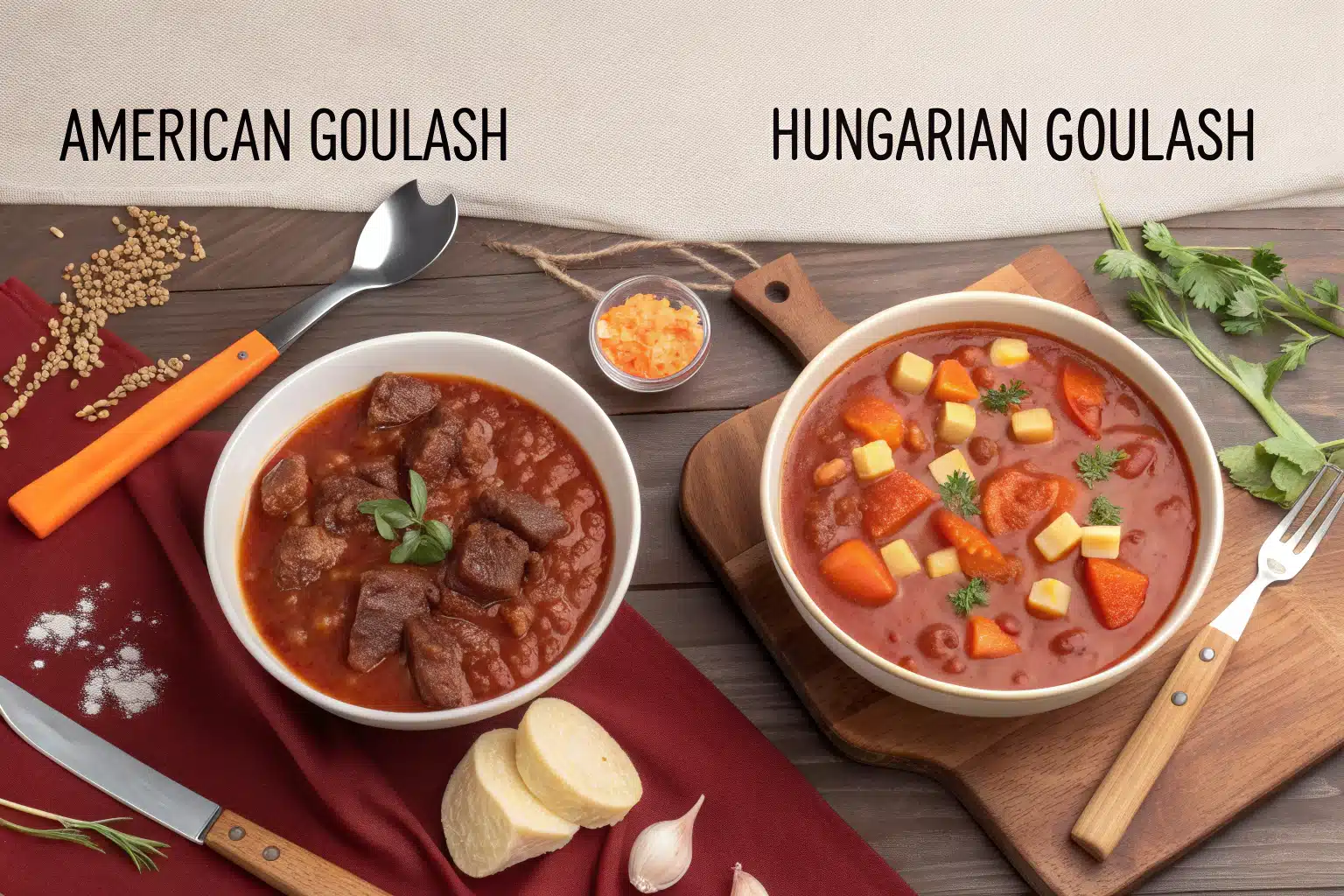
Goulash. Just the word conjures images of bubbling pots, rich aromas, and the ultimate in comforting, hearty sustenance. For many, it's a nostalgic dish, a callback to simpler times and family dinners. But what exactly is goulash? Depending on where you are in the world, or even just what kind of evening you're planning, the answer can vary wildly. This beloved dish has two prominent forms that often get confused: the authentic, slow-cooked Hungarian Gulyás and the speedy, cheesy American Goulash.
Both promise a deeply satisfying meal, but their origins, ingredients, and preparation methods offer distinct culinary experiences. If you're on the hunt for the perfect goulash recipe to warm your soul, understanding these differences is key. Join us as we explore the rich history and delicious variations of this iconic comfort food, helping you decide which hearty recipe is truly for you.
The Heart of Hungary: Authentic Gulyás
To truly understand goulash, we must first journey to its birthplace: medieval Hungary. Here, "Gulyás" (pronounced goo-yash) was the staple of herdsmen, a robust and practical meal designed to sustain them through long days on the plains. This wasn't just a dish; it was a way of life, a testament to resourcefulness and a deep appreciation for tender, flavorful meat.
An authentic Hungarian goulash recipe is a masterclass in patience and deep flavor development. It typically features substantial chunks of beef, often from tougher cuts that transform into melt-in-your-mouth tenderness through hours of low and slow simmering. While beef is traditional, variations sometimes include pork or lamb, adding their own distinct character to the stew.
The undisputed star of Hungarian goulash is paprika. Far from being a mere garnish, high-quality Hungarian paprika, whether sweet, hot, or a smoky blend, provides the dish with its signature vibrant color and complex, earthy flavor profile. Onions are carefully caramelized to form the bedrock of the sauce, often cooked down until they practically disappear, lending a natural sweetness and richness. Other vegetables like carrots, bell peppers, and potatoes might join the pot, contributing to its heartiness and texture.
Unlike its American counterpart, traditional Hungarian goulash is a true stew, characterized by a savory, paprika-laced broth that's rarely thickened with flour or cornstarch. Instead, the long cooking time and the breakdown of ingredients naturally create a luscious, hearty consistency. It's typically served alongside traditional sides such as nokedli (small egg dumplings), boiled potatoes, or simply with crusty bread for soaking up every last drop of the rich sauce. This separation of the main dish from its starchy accompaniment is a defining feature.
Choosing a Hungarian goulash recipe means embracing a culinary tradition that prioritizes deep flavor, tender meat, and the warm embrace of slow cooking. It’s a dish for savoring, perfect for a cozy weekend meal or a special gathering.
American Goulash: A Speedy, Cheesy Comfort Classic
Across the Atlantic, goulash underwent a significant transformation, evolving into a beloved American comfort food, perfectly adapted for busy weeknights and family tables. The American goulash recipe, sometimes called "Chili Mac" or "Old-Fashioned Goulash," takes the concept of a hearty stew and infuses it with speed, simplicity, and a distinctly American flair.
The most striking difference lies in the protein: instead of large beef chunks, American goulash almost universally uses ground beef. This not only significantly reduces cooking time but also lends itself to a looser, more sauce-like consistency. The flavor base shifts dramatically from paprika to a robust tomato sauce, often incorporating diced tomatoes, tomato paste, and sometimes even a touch of Worcestershire sauce for an extra layer of umami. Onions and garlic remain key aromatics, providing a flavorful foundation.
Perhaps the most iconic element of American goulash, and a major departure from its Hungarian ancestor, is the inclusion of pasta cooked directly in the pot. Elbow macaroni is the traditional choice, but other small pasta shapes work equally well. This brilliant one-pot method serves multiple purposes: it simplifies cleanup, infuses the pasta with all the savory beef and tomato flavors from the very beginning, and allows the pasta's starches to naturally thicken the sauce, creating that wonderfully rich and cohesive texture. For a deeper dive into this culinary trick, check out our article on the Secret to Flavorful Goulash: Cook Pasta Right in the Pot.
The finishing touch for many American goulash recipes is a generous stir-in of shredded cheddar cheese, which melts into the hot dish, adding a creamy texture and a tangy, sharp bite that elevates the entire meal. This cheesy addition is a quintessential American twist, providing an extra layer of decadence and appeal, especially for younger palates.
What makes an American goulash recipe truly shine is its incredible efficiency. It’s a meal that can go from pantry to plate in under an hour, making it an ideal candidate for those hectic back-to-school nights or when you need a satisfying dinner with minimal fuss. If you’re looking for a quick, fuss-free, and incredibly tasty one-pot solution, our Easy One-Pot American Goulash: 30-Minute Weeknight Meal provides an excellent starting point.
American vs. Hungarian: A Side-by-Side Comparison
While both dishes are labeled "goulash" and offer ultimate comfort, they are fundamentally different. Here’s a quick breakdown to highlight their distinctions:
- Meat:
- Hungarian: Large chunks of beef (or sometimes pork/lamb), slow-cooked.
- American: Ground beef, quickly browned.
- Cooking Time:
- Hungarian: Several hours (low and slow).
- American: 30-60 minutes (quick and easy).
- Primary Flavor Profile:
- Hungarian: Deep, earthy paprika, savory broth.
- American: Tangy tomato, savory beef, often cheesy.
- Pasta Integration:
- Hungarian: Served *alongside* (dumplings, bread, potatoes).
- American: Cooked *directly in the pot* with the sauce.
- Consistency:
- Hungarian: Brothy, rich stew.
- American: Thick, saucy, pasta-infused dish.
- Cheese:
- Hungarian: Rarely, if ever, added.
- American: Often mixed in or topped with shredded cheddar.
Practical Tips for Mastering Your Goulash Recipe
No matter which goulash recipe you choose, a few general tips can elevate your dish:
- Quality Ingredients Matter: For Hungarian goulash, invest in authentic Hungarian paprika. For American, good quality ground beef and flavorful canned tomatoes make a difference.
- Sauté Aromatics Properly: Whether it's the onions for a Hungarian base or the onions and garlic for an American one, take your time browning them to build foundational flavor.
- Seasoning is Key: Taste as you go! Adjust salt, pepper, and spices. A dash of marjoram in Hungarian goulash or a hint of bay leaf in American can add depth.
- Don't Overcook Pasta (American Goulash): Cook until al dente for the best texture. Since it cooks in the sauce, it will continue to absorb liquid and soften slightly after it's removed from the heat.
- Let it Rest: A short rest (5-10 minutes) after cooking allows flavors to meld and the dish to settle, resulting in a more cohesive and delicious meal.
Which Goulash Recipe is Right For You?
The choice between American and Hungarian goulash ultimately boils down to your culinary preferences, available time, and what kind of comfort you're craving. Both are fantastic in their own right, providing warmth and satisfaction.
Choose the Hungarian Gulyás if:
- You appreciate the art of slow cooking and have the time to dedicate to a truly traditional stew.
- You love deep, complex, savory flavors driven by rich beef and aromatic paprika.
- You prefer a clear, brothy stew served with separate sides like dumplings or bread.
- You're looking for an authentic taste of European culinary heritage.
Opt for the American Goulash if:
- You need a quick, easy, and satisfying weeknight meal that’s ready in under an hour.
- You're a fan of one-pot dishes that minimize cleanup.
- You enjoy the comforting combination of ground beef, tangy tomato sauce, pasta, and melty cheese.
- You're feeding a family and want a universally appealing, hearty dish that requires no extra sides.
Conclusion
From the medieval plains of Hungary to bustling modern American kitchens, goulash has proven its enduring appeal as a quintessential comfort food. While their paths have diverged, both the authentic Hungarian Gulyás and the convenient American Goulash stand as testaments to the power of simple, hearty ingredients transformed into something truly special. Whether you’re simmering beef for hours to achieve ultimate tenderness or whipping up a cheesy, one-pot pasta dish in minutes, a delicious goulash recipe is always in style. We encourage you to try both, explore their unique charms, and discover which comforting concoction truly captures your heart (and stomach).
